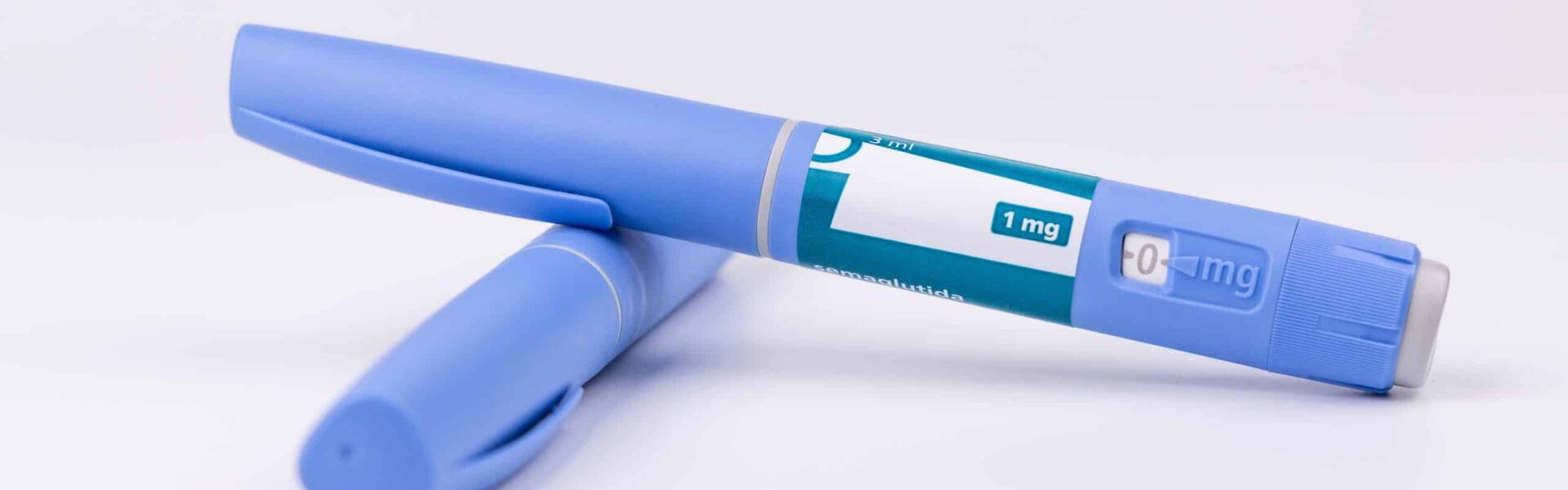

GLP-1 medications have become some of the most talked-about prescriptions in the last decade. About 6% of U.S. adults now take one to manage type 2 diabetes or support weight loss. While these medications provide significant health benefits, including lowering the risk of heart and kidney disease, patients frequently ask us how they might affect their eyes. (We also discussed Ozempic and eye health in a previous post.)
What Are GLP-1s?
 GLP-1 is a hormone your body produces naturally; these medications mimic this hormone to help your pancreas release insulin, slow digestion, and signal to your brain that you are full.
Common GLP-1 medications include:
- Semaglutide (Ozempic, Wegovy, and Rybelsus)
- Tirzepatide (Mounjaro and Zepbound)
- Dulaglutide (Trulicity)
- Liraglutide (Saxenda, Victoza)
How They Can Affect Your Vision
For most people, GLP-1 medications are safe for eye health. However, a small number of patients may experience vision changes, especially if they have a pre-existing eye condition. Most changes are mild or temporary, but one rare side effect can lead to lasting vision loss.
Blurry Vision (Temporary)
- Some people notice their vision gets slightly blurry after starting a GLP-1. This is typically caused by rapid shifts in blood sugar levels, which temporarily alter how the eye’s lens focuses. Once your blood sugar stabilizes, vision usually clears within a few weeks to months.
Diabetic Retinopathy
- Diabetic retinopathy occurs when diabetes damages the blood vessels in the retina. Rapid drops in blood sugar after starting a GLP-1 can sometimes cause temporary worsening of retinopathy in the short term, though large-scale studies show no increased long-term risk. Treatments such as laser therapy or injections remain highly effective when caught early.
Age-Related Macular Degeneration (AMD)
- Research on GLP-1s and AMD shows promising results. A study highlighted by the American Academy of Ophthalmology found that these medications may actually help lower the risk of developing AMD. If you already have AMD, let us know so we can plan your follow-up care accordingly.
NAION (Non-Arteritic Anterior Ischemic Optic Neuropathy)
- NAION is a rare but serious condition often referred to as an “eye stroke.” It occurs when blood flow to the optic nerve is reduced, causing sudden, painless vision loss, typically in one eye.
A July 2026 study from Rutgers researchers noted a small increase in NAION risk among GLP-1 users, about three to four extra cases for every 10,000 patients over 18 months, primarily in adults aged 50 to 65. Because underlying conditions like high blood pressure, high cholesterol, sleep apnea, and diabetes also independently raise NAION risk, researchers are still evaluating whether they directly cause this condition.
Permanent damage from NAION is usually permanent, though roughly one-third of patients experience partial recovery within six months. There is currently no medical treatment that reverses NAION. If diagnosed, we will collaborate with your prescribing doctor to evaluate whether continuing the medication is appropriate. Never stop taking a prescribed medication without consulting your medical team first.
How to Protect Your Eyes While Taking a GLP-1
- Schedule a comprehensive, dilated eye exam before you start taking your GLP-1. The American Optometric Association recommends one within 12 months before starting a GLP-1, or within a month after you begin, especially if you have diabetes or macular degeneration.
- Let us know you’re taking a GLP-1 so we can watch for changes and plan follow-up visits that fit your needs.
- Talk with your primary care doctor or endocrinologist about your A1C goals, since a slower, steadier drop in blood sugar may lower the risk of sudden eye changes.
- Plan on more frequent check-ins with your care team during your first 12 to 18 months on the medication.
When to Call Relf EyeCare
Treat any sudden vision change as urgent. Call us immediately if you experience:
- Sudden, painless vision loss or dimming in one eye
- A dark or missing area in your vision (often in the upper or lower half of your visual field)
- Blurry vision that lasts beyond a few weeks.
- Colors that look faded or washed out
Need an evaluation for recent vision changes, our team is here to help keep your eyes healthy. Contact Relf EyeCare today to schedule your comprehensive eye exam.


